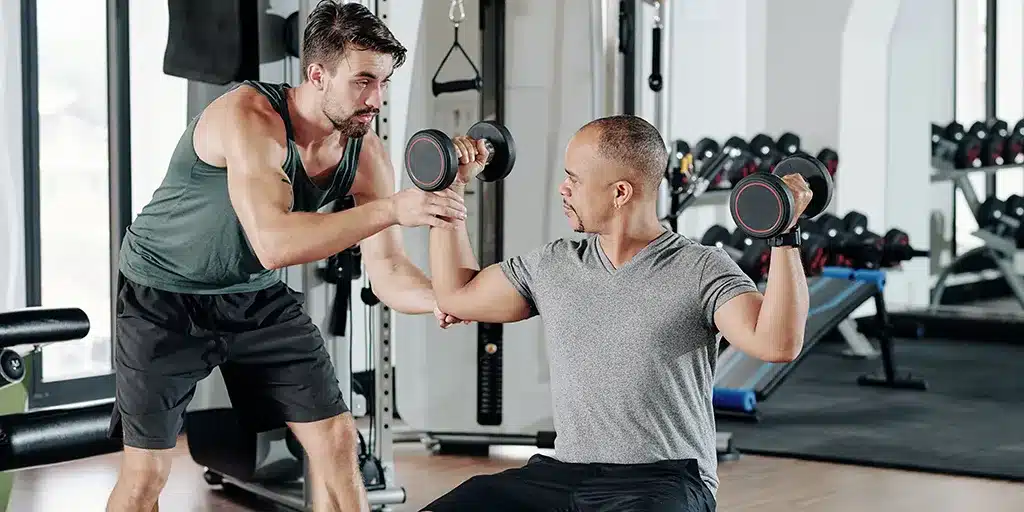
Building a career in fitness involves more than just passion for health—it requires careful planning, continuous learning, and the right certifications. Whether you’re just starting out or are an experienced fitness professional looking to level up, understanding how to map out your certification path can make all the difference in your career growth. With numerous certification programs available, it can be overwhelming to figure out which path best aligns with your goals. The key is to strategically choose advanced certifications that will elevate your expertise and open up new opportunities. A well-planned road map can help guide your way to success. One valuable resource to explore is ASFA, offering a range of certifications to suit your fitness career needs.
Understanding the Importance of Advanced Certifications
For fitness professionals, staying competitive means continually upgrading your skills. Advanced certifications not only expand your knowledge but also boost your credibility, opening doors for higher-paying jobs and leadership roles. These certifications can help you specialize in niche areas like sports performance, rehabilitation, or wellness coaching. By enhancing your expertise, you demonstrate to clients and employers that you’re committed to providing the highest level of service.
Step 1: Assess Your Current Skills and Interests
Before you dive into any advanced certifications, it’s important to evaluate your current fitness knowledge and skills. Think about the areas of fitness you enjoy most—whether it’s personal training, group fitness, or sports conditioning—and how you’d like to grow. Understanding your strengths and interests will guide you toward certifications that complement your current skill set.
Consider the following:
- Personal Interests: Are you passionate about helping people improve their strength, flexibility, or endurance?
- Existing Expertise: Do you already have a certification in general fitness, and now want to specialize in a specific area like yoga or Pilates?
- Career Goals: Do you want to work with athletes, or do you prefer helping people with general health and wellness?
By identifying your career goals, you’ll be able to choose the most relevant advanced certification.
Step 2: Research Certification Options
Once you have a clear understanding of your interests and career goals, it’s time to research the advanced certification programs available to you. There are a wide variety of certifications, each with its unique focus. Some of the most popular advanced certifications include:
- Certified Strength and Conditioning Specialist (CSCS): This certification is ideal for those interested in working with athletes, focusing on strength training, sports science, and conditioning.
- Certified Personal Trainer (CPT): For those looking to guide individuals through personalized fitness programs, becoming a certified personal trainer is a great option.
- Certified Group Fitness Instructor: If you’re passionate about leading group fitness classes, this certification allows you to teach and motivate groups of people in a dynamic setting.
- Yoga and Pilates Certifications: For those interested in mind-body practices, these certifications can open up opportunities to work in specialized environments like wellness centers or rehabilitation facilities.
It’s crucial to review each program’s prerequisites, as many require previous experience or certifications to qualify for advanced-level courses. Make sure to choose a program that aligns with your skill level and long-term career goals.
Step 3: Choose the Right Organization
Choosing a reputable certification organization is a critical step in your journey. Look for organizations that offer comprehensive programs with up-to-date information and recognized industry credentials. ASFA is a respected provider of fitness certifications, offering a range of programs designed for those who want to specialize and expand their careers.
When researching certification programs, consider the following:
- Accreditation: Ensure the organization is accredited by a recognized body, such as the National Commission for Certifying Agencies (NCCA).
- Program Depth: Look for certifications that provide both theoretical and practical knowledge, as well as ongoing professional development opportunities.
- Support and Resources: Consider whether the certification organization provides support such as study materials, webinars, and continuing education credits.
Choosing the right organization will ensure you receive a high-quality education and the tools needed to succeed.
Step 4: Prepare for the Certification Exams
Certification exams can be challenging, requiring both knowledge and practical application. To succeed, dedicate time to studying the course materials thoroughly. Many programs offer practice exams, workshops, or online resources to help you prepare.
In addition to studying, consider the following tips to increase your chances of success:
- Create a Study Schedule: Plan ahead and dedicate consistent time for studying, rather than cramming last minute.
- Join Study Groups: Participate in online communities or local study groups to exchange tips and ideas with others preparing for the same exam.
- Stay Physically Active: As a fitness professional, practicing the skills you’re learning in real time can reinforce your knowledge and improve your understanding of the concepts.
Step 5: Network and Gain Experience
Becoming certified is just one part of advancing your fitness career. To truly thrive, you’ll need to gain hands-on experience and build your professional network. Attend fitness conferences, participate in workshops, and reach out to industry professionals for mentorship. Networking helps you stay informed about the latest trends and job opportunities in the fitness world.
Also, consider gaining practical experience by:
- Working as an Assistant Trainer: If you’re new to a specific fitness discipline, consider working as an assistant to gain practical exposure.
- Freelancing: Offer your services as a personal trainer or group fitness instructor to build a diverse client base.
- Volunteering: Some fitness events or community programs may offer opportunities to gain hands-on experience.
Step 6: Continue Your Education
Once you’ve earned your certification, don’t stop there. Continuing education is essential to stay current with new fitness techniques, trends, and scientific research. Look for opportunities to take advanced workshops, online courses, or pursue further certifications. Many organizations, including ASFA, offer continuing education programs designed to help fitness professionals grow in their careers.
Additionally, continuing education ensures you maintain your certification. Most advanced certifications require ongoing education credits to keep your credentials active.
Conclusion
Planning your fitness career path with the right advanced certifications can make a big impact on your professional growth. By assessing your skills, researching programs, and choosing a credible organization like ASFA, you can chart a course that leads to success. Remember that obtaining a certification is just the first step—staying active in the field, networking, and continuously learning are key components of a long and rewarding career in fitness. With dedication and the right tools, you can elevate your expertise and make a lasting impact in the fitness industry.
Related posts:
 The Arguments in Favor of Including Frequent Massage Therapy in Your Wellness Program
 Tools and Methods for Togel Results Analysis: Enhancing Your Gameplay Strategy
 Top 10 Slot Online Strategies_ Maximize Wins & Beat Odds!
 Embracing Thailand’s Cultural Diversity and Ancestral Legacies
 Entertainment Junction – Your Hub for All Things Entertainment
 The Importance of a Reliable Security System in Today’s World
 The Link Between Gallbladder Stones and Cancer Explained by a Gurgaon General Surgeon
 Mobile Se Paise Kaise Kamaye Real Ways to Earn Money Online